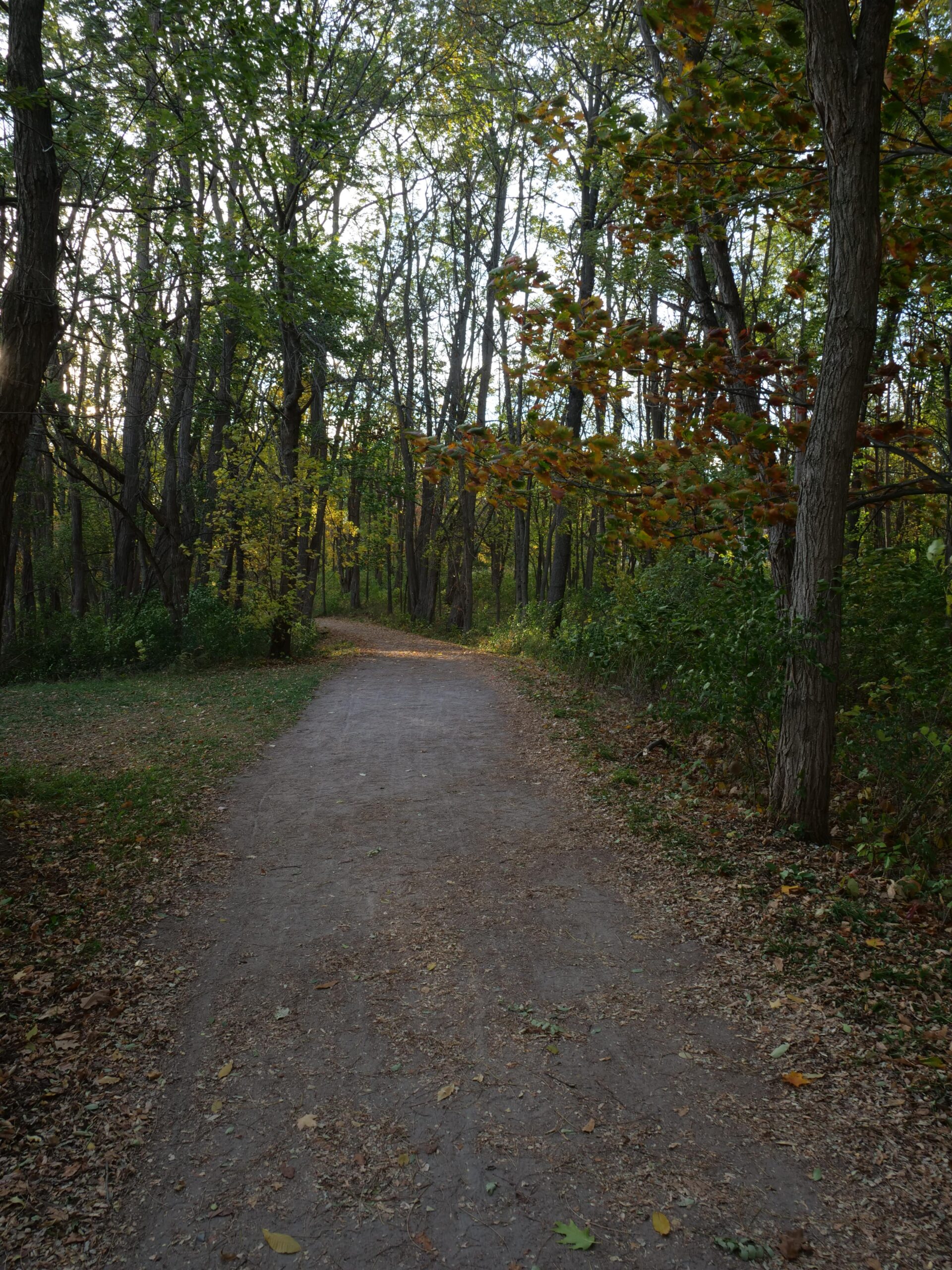
The arboretum was created to support Clarkson’s goals in sustainability, education, and community outreach. It serves as:
- A place to learn about local tree species and ecosystems
- A habitat for wildlife and pollinators
- A hands-on lab for studying native and invasive species
- A quiet space to slow down and appreciate the natural world
Through ongoing documentation of tree species and the monitoring of invasive plants, the arboretum helps protect native biodiversity while providing a learning environment for everyone.
Who We Serve
The arboretum welcomes everyone, from the Clarkson campus and the greater Potsdam community and beyond.
It supports:
- Students and faculty using the site for study, research, and recreation
- Local residents and visitors enjoying the trail and learning about native trees
- K–12 educators and students using the arboretum and website as teaching tools
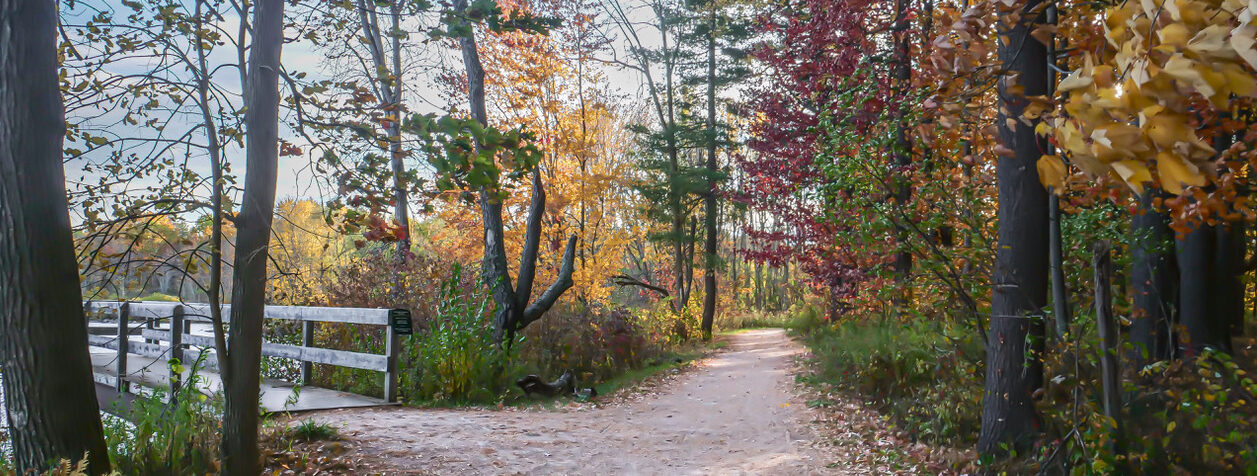
Located along the Munter Trail and surrounding green spaces on Clarkson’s campus in Potsdam, New York, the arboretum highlights the biodiversity of the northern hardwood and mixed conifer forests of the St. Lawrence River Valley.
Vision
To create a sustainable, educational, and inclusive green space that connects science, nature, and the community.
The arboretum serves as a shared resource for Clarkson University and the greater North Country region, inspiring stewardship of local ecosystems and celebrating the natural beauty of the St. Lawrence River Valley.
Core Values
- Community – Strengthening bonds between Clarkson and the Potsdam community through shared outdoor spaces, events, and volunteer opportunities
- Discovery – Encouraging curiosity and hands-on exploration of the natural world through research, technology, and interactive learning
- Education – Expanding access to environmental knowledge by integrating nature into education across all ages and disciplines
- Biodiversity – Protecting and showcasing the diversity of tree species native to northern New York, while managing and removing invasive species that threaten local ecosystems
- Sustainability – Promoting ecological balance through habitat conservation, responsible land management, and awareness of environmental challenges like climate change and pollution
Current Initiatives
- Tree Signage & Website – Visitors can find labeled trees along the Munter Trail and use their four-digit codes to access detailed information, such as species, height, diameter, age estimate, and fun facts, on the website.
- Invasive Species Management – Ongoing efforts to remove invasive plants, like buckthorn, to protect native biodiversity
- Data Updates – Regular measurements of tree heights and diameters to track growth and health
Future Projects
- Educational Programs – Develop guided activities and learning opportunities for K–12 students and families in the Potsdam community
- Audio Learning Trail – Install optional audio stations or QR codes with stories, fun facts, and ecological insights for each tree
- Welcome Signage – Informational signs at each trail entrance to introduce the arboretum and its purpose
- Habitat Expansion – Increase the number of identified trees and extend trails deeper into the arboretum with accessible woodchip paths
- Horticultural Stewardship – Maintain diverse tree collections and landscapes that support both research and recreation