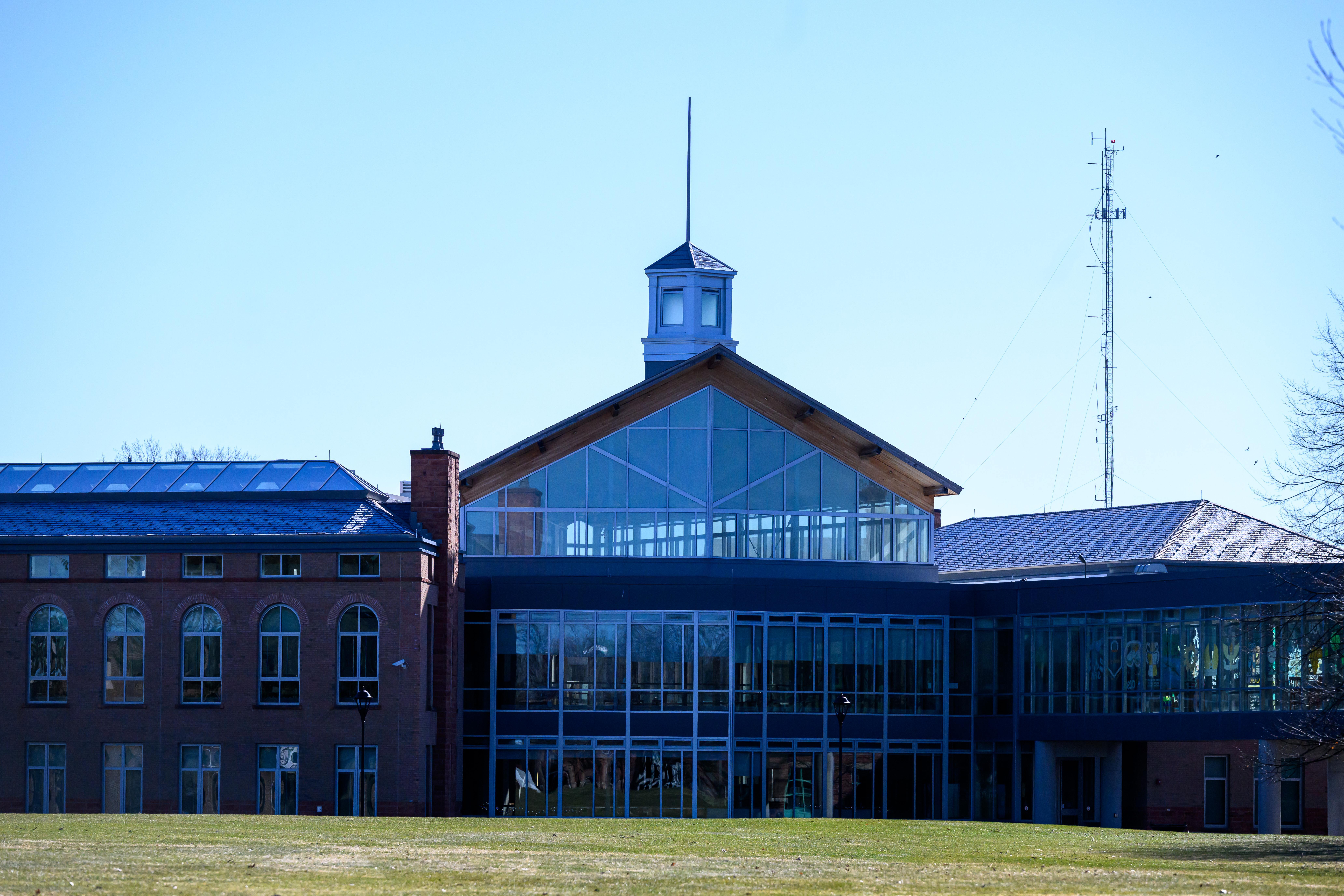
Preparing the Adirondack region for changing fire futures.
The Adirondack region is increasingly shaped by climate stress, changing forest composition, invasive species, flooding, wildfire smoke, and expanding wildland–urban interfaces. This symposium creates a shared space for science, policy, practice, and community knowledge to meet.
Understand risk
Examine emerging wildfire risks in Eastern forests, including fuel dynamics, drought, ignition sources, smoke, infrastructure exposure, and ecological change.
Build resilience
Connect community preparedness, regional planning, fire management, environmental justice, and local capacity-building across the Adirondacks and North Country.
Grow a network
Advance FIRE-NET: Adirondack Fire Futures as a collaborative research and policy network spanning campuses, practitioners, agencies, and community partners.

What the symposium will do.
The event is designed as a working convening, not only a lecture series. Participants will exchange knowledge, identify shared problems, and develop actionable directions for future research and policy.
- 1.Advance understanding of northeastern wildfire dynamics. Address a significant gap in fire science by convening experts across ecology, climate, engineering, and policy to identify knowledge gaps, spark novel research questions, and develop risk assessment models suited to the Adirondack Park’s unique ecological and regulatory setting.
- 2.Generate convergent research at disciplinary interfaces. Integrate fire ecology and climate science with power grid engineering, uncrewed aerial systems, and community planning to produce innovative directions for early detection technology, infrastructure resilience, and land management.
- 3.Translate research into practical fire management and policy. Connect government agencies, utility companies, and technology firms so that scientific insights become actionable — better firefighting protocols, power line safety measures, and updates to the Adirondack Park Wildfire Management Plan.
- 4.Build capacity and sustain a regional fire network. Support early-career researchers and students through a poster session and mentorship opportunities, and establish FIRE-NET as a lasting collaborative platform for wildfire resilience in the Northeast.
Three days of invited talks, working sessions, and regional exchange.
The detailed schedule will be updated as sessions are finalized. The current structure is built around confirmed anchors and developing session themes.
Arrival, welcome, keynote, and reception
- Registration and arrival at Clarkson University.
- Welcome and opening remarks.
- Blue Line Magazine introduction.
- Evening keynote by Jade Haumann.
- Q&A, buffet reception, dessert, and informal conversation.
Research, policy, posters, and collaboration
- Opening lecture.
- Panel: Emerging Trends in Fire Research in Eastern Forest Regimes.
- Poster session and research exchange.
- Lunch roundtable: Where We Meet — Asset-Driven Cooperation and Stakeholder Collaboration in Adirondack Fire Futures.
- Afternoon working blocks, panels, and partner discussions to be finalized.
Applied planning and closing roundtable
- Applied session led by Liz Cox.
- Delphi-style roundtable to identify priorities and next steps.
- Lunch and conference close.
Five tracks, one convergent agenda.
Sessions are organized around the disciplines and sectors that must work together to address Adirondack fire futures — from ecology and engineering to policy, community, and industry.
Forestry, Ecology & Wildfire
How changing climate patterns and ecological dynamics are influencing wildfire potential in the Adirondack Park.
Drones as First Responders
The potential of uncrewed aerial systems for early detection, real-time monitoring, and active firefighting in the Adirondacks’ rugged terrain.
Power Infrastructure & Fire Risk
Wildfire risks associated with electrical infrastructure and engineering solutions to mitigate fire hazards from transmission lines.
Community Preparedness & Policy
Ensuring communities, local governments, and agencies are ready through planning, education, and coordinated emergency response.
Industry Engagement & Innovation
Strengthening collaboration with utilities, technology firms, and consultants to leverage their expertise in regional wildfire resilience.
The committee shaping the symposium program.
The program committee brings together researchers, educators, and practitioners from institutions across the region.
Background: Fire Awareness in the Adirondacks
Blue Line Magazine describes the regional story behind Adirondack Fire Futures, the NSF proposal process, and the broader coalition forming around wildfire resilience in northern New York.
NSF-sponsored convening.
The Adirondack Fire Futures Symposium is supported by the National Science Foundation and organized through Clarkson University with regional collaborators.
FIRE-NET: Adirondack Fire Futures
FIRE-NET is a regional collaborative focused on wildfire science, community resilience, convergent research, and policy-relevant planning for the Adirondack and North Country region.